Monday, 1 August 2016

30 Days Wild in June Challenge (continued) - Bees, Voles, Ducks and Moles

I visited the Arundel Wetland Centre on a lovely sunny Friday last week.


As soon as I got out of the car I noticed the bees on the wild flowers in the beds approaching the entrance:


In particular, there was one bee with an impressive amount of pollen on her back legs which I managed to capture on film:


Once we were past the entrance desk we headed for the hide nearest the World Wetlands area. I was relieved to find that i could access it easily with my frame and that there were very comfortable chairs to sit in at the viewing windows. Fortunately we had brought a couple of pairs of binoculars with us, as there was only one pair in the hide.

We spotted:

Canada Geese
Coots
Pochard ducks
Black-headed Gulls
Mute Swans
Mallards - both Ducks and Drakes, all the Drakes were in their eclipse plumage
Tufted Duck and her duckling


June and December were rather anxious about the Tufted Duck duckling as there were lots of Black-headed Gulls nearby, as we had heard about ducklings being taken by Gulls from a post during the 30 Days Wild in June Challenge. Fortunately, the duckling wasn't nabbed whilst we were there and when we researched it more later we discovered that the culprit had been a Herring Gull and that Black-headed Gulls eat fish, carrion and insects (amongst other things) but NOT ducklings!

As we left the centre over the footbridge June called out that she could see something under the leaves of the water lilies. It turned out to be a very content Water Vole having an early evening snack - much to our surprise and delight it seemed to be completely unaware of us and so I was able to take several photos:


Later that evening (about 10pm), as I was watering the plants, I heard a rather desperate sounding squeak coming from further down the garden and as I turned my torch in the direction of the sound I saw the telltale glints of light reflecting from the eyes of a couple of cats and decided that I had better investigate. They didn't want to shift as I approached so I had to vigorously shoo them away (the only thing injured in this process was their pride at losing their prey). Once I was sure that they had scarpered I looked around and discovered a mole quivering in the flower bed, surrounded by juicy slugs. Eventually December and Daddy managed to coax him into the bushes and we all very much hope that he made it to safety.

Sunday, 3 July 2016

30 Days Wild in June Challenge May Be Over, But . . .

. . . our adventures go on!


This afternoon we visited the Arundel Wetland Centre.  In just 90 minutes we enjoyed a half hour boat safari where we spotted a Grey Heron being mobbed by Black-headed Gulls; a young Pike sheltering in the shallows (it was about 8" long); shoals and shoals of tiny young fish, a regal Swan, three different species of Damselfly (Red-eyed; Blue tailed and Azure) and loads and loads of Ducks! 

Our guide explained that the reason the female Mallards seemed to have either black or yellow beaks was because the yellow-beaked ones were actually drakes who were moulting and that this is called eclipse plumage. During this moult they lose all their feathers, including the flight ones, so it is important that they are well camouflaged to try and keep them safe from predators. Once the flight feathers have regrown (which can take anything from a few weeks to a few months) they go through another, less extreme, moult where they regain their bright colours.

After our boat safari June and December played in the Pond Skaters play area before we headed to the bird feeding station on the other side of the visitor centre. For a cost of 20p each, the three of us had a good handful of grain to entice birds to feed and December and I were thrilled that these birds fed from our hands as neither of us had managed it before.


Thursday, 23 June 2016

30 Days Wild in June Challenge - Day 23 - Giant Creatures


Today has been a very thundery and humid day and so most of my local wildlife has stayed under cover.  I spotted a few bees on the bramble blossoms between showers this afternoon but didn't have time to photograph them, so here are some of the summer residents of the Wildfowl and Wetland Trust Centre in Arundel who greeted us when we visited at the beginning of the week.


Whilst there we found out that there was a trail of giant Lego creatures waiting to be spotted, so off we all went, maps in hand and these are what we discovered: 


This is Flavia the Flamingo, who apparently took over 80 hours to build. Did you know that a group of flamingoes is called a flamboyance?


Here is Natalie the NeNe (pronounce NeighNeigh). It took the builders 100 hours to put her together and the information board told us that the NeNe is the National bird of Hawaii.


Next was Bruce the Red-Breasted Goose and he took 120 hours to build (June and December both thought that was a very long time). We were all amazed to find out that these birds build their nests close to peregrine falcon nests for protection from predators.


Here is Mac the Mallard who was 100 hours in the making. Did you know that he is a drake and that the brown coloured female Mallard is a hen?


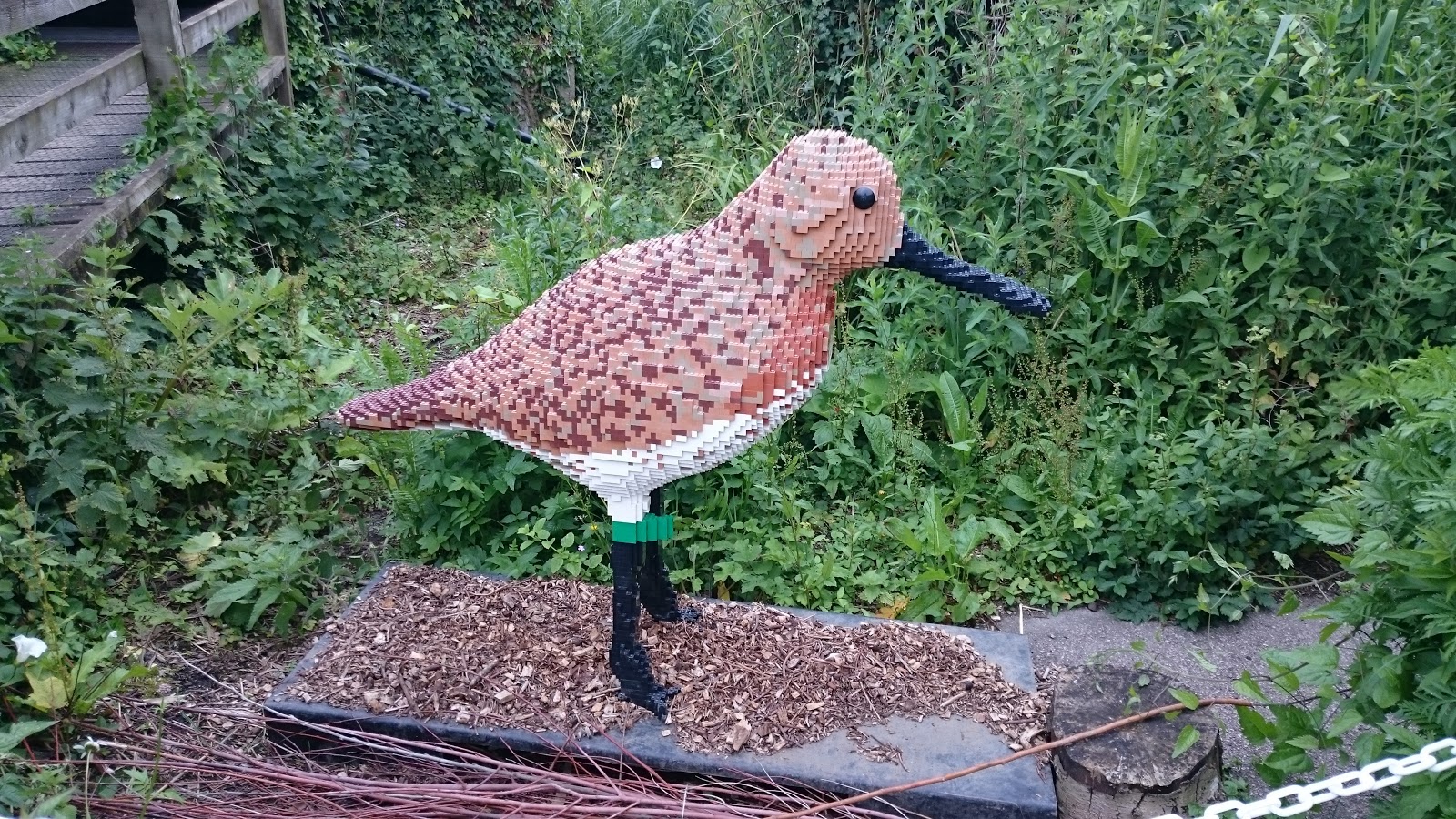
Suki the Spoonie, or Spoon-billed Sandpiper, are on the edge of extinction and WWT have an 'ark population' at their Slimbridge site as well as teams working in Russia and around the world to try and save them.


Here's Chris the Crane who only took 90 hours to build!

Cranes were once extinct in the UK but WWT told us that they have been re-introducing them to the countryside since 2010 - 100 cranes were raised at Slimbridge and released onto the Somerset Levels.

At this point, our Giant Lego Creature hunt was interrupted by a Swan and Cygnet path block! 


They weren't showing any signs of moving and, as we had been advised to not disturb birds with young, we returned to the Visitor Centre where I waited for my husband and the girls whilst they searched for the final creatures on their maps.


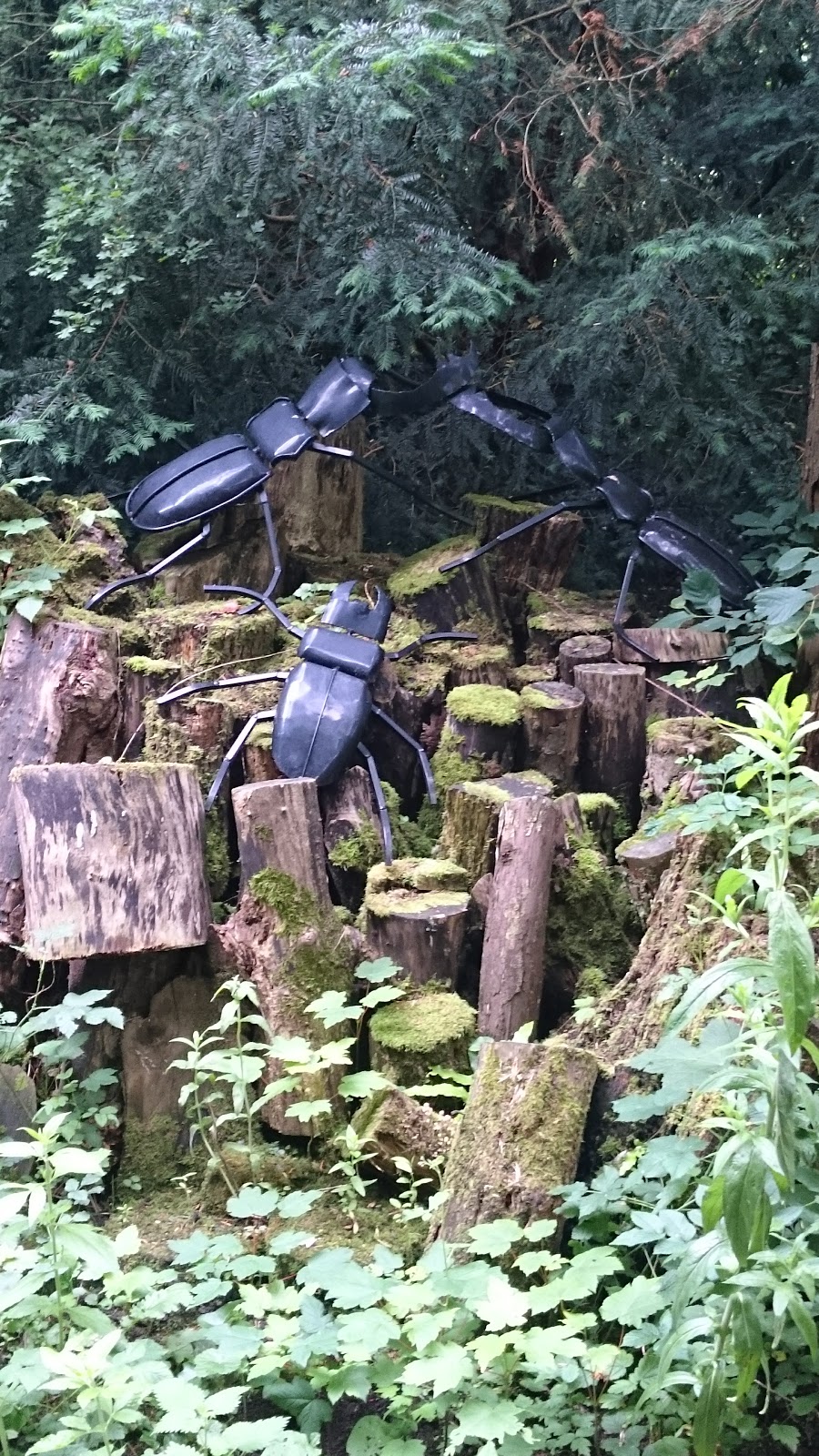
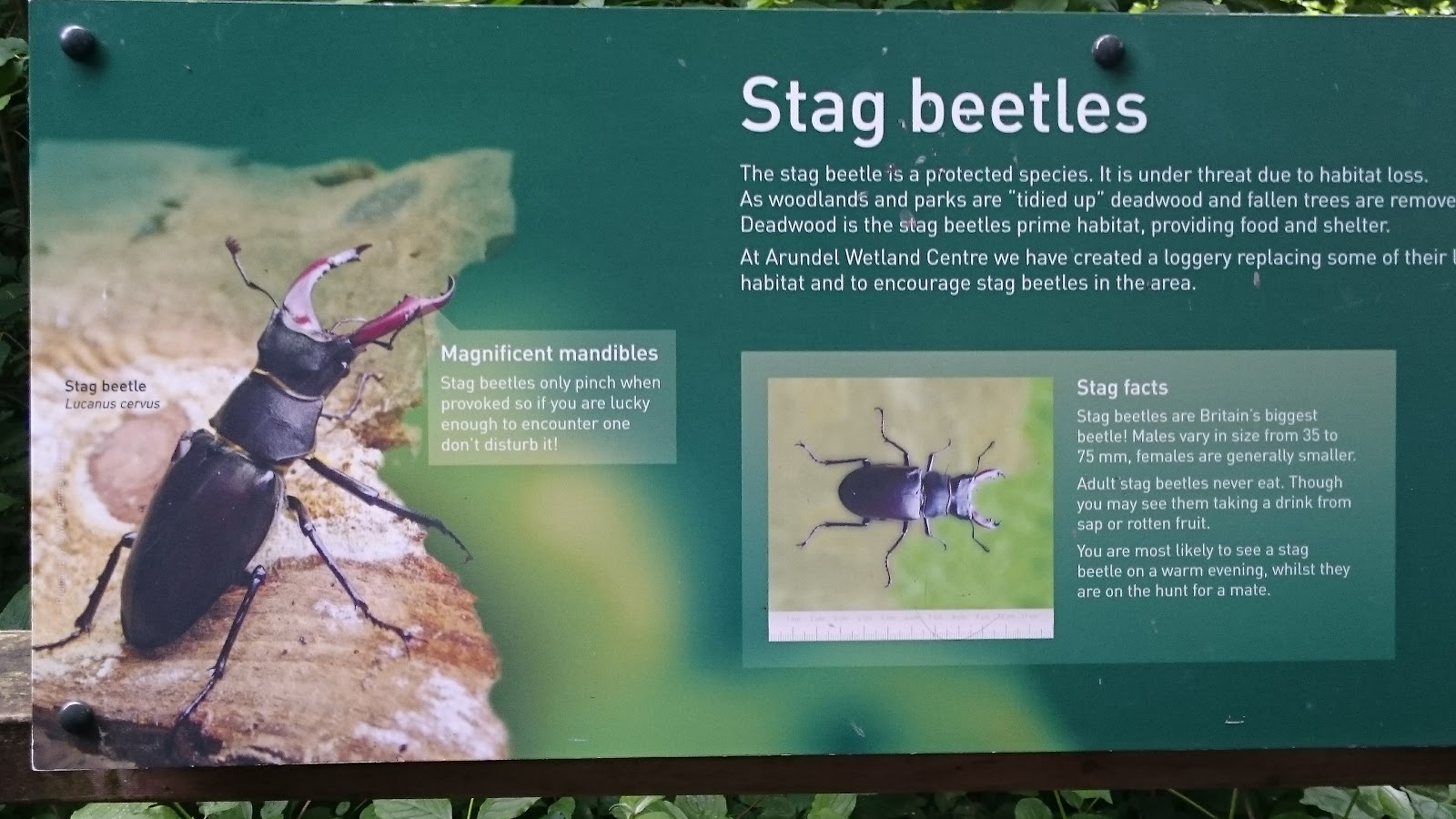
These weren't part of the Lego creature hunt, but I thought I would share this photo as it was really dramatic and I love these beetles.


Say hello to Lottie the Otter who took 120 hours to build. Did you know that otters were almost extinct in the UK back in the 1970's? Fortunately they are now slowly making a comeback.


This is Benedict the Bewick's Swan and it took the builders 95 hours to put him together. The interesting fact on the board for Benedict was that each individual Bewick's swan can be identified by its unique bill pattern.


This beautiful bird is Kate the Kingfisher and her build time was 100 hours. 

Did you know that Kingfishers often nest in burrows that they dig in riverbanks and that they are under threat due to pollution and the destruction of their wetland habitat?

Apparently Kate is famous, having appeared on Blue Peter where one of the presenters (Barney Harwood) added her final bricks.


Wednesday, 22 June 2016

30 Days Wild in June Challenge - Day 22 : Heron


Today was very wet, warm and misty. Driving through Midhurst on our way home after visiting Hollycombe Steam Collection I spotted this heron on the pond. I quickly pulled over and we all got out of the car and walked back to the pond, where I was relieved to find that the heron was still there.

When we got home we discovered that our little strawberry plant had two strawberries almost ready for harvesting - I'm hoping that they won't get slugged during the thunderstorm tonight!


Sunday, 19 June 2016

30 Days Wild in June Challenge - Day 19 : Pheasant Feast


Well, today has been hectic as it was June's birthday; December had a ballet exam and we were celebrating Father's Day. All of this meant that we didn't get out until mid afternoon, when we headed off to our local Wildfowl and Wetland Trust reserve.

Traffic was heavy on the A27 and what should have been a quick journey wasn't, so by the time we pulled in to the car park I was wondering whether we should give up and go home.

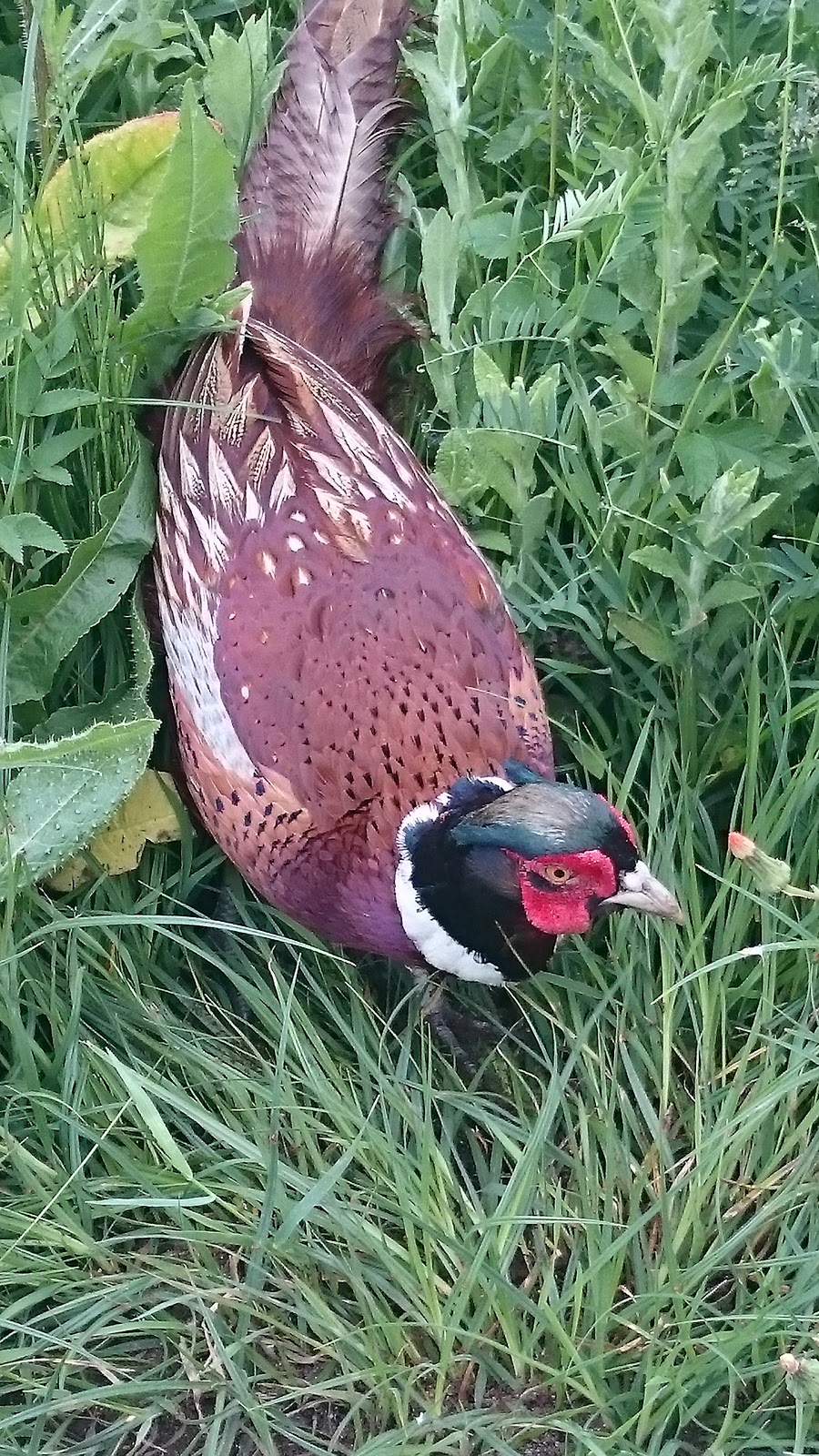
I'm so glad that we didn't. The very first bird I saw was a Cock Pheasant. In the car park. He wasn't behaving normally - he was backed into some long grass, pecking voraciously at the ground in front of him. I thought that a previous visitor must have thrown some bird seed on the ground and approached to investigate. The Pheasant didn't move back, or even acknowledge our presence. 


Then we saw what was keeping him distracted - he had discovered an ant's nest and was feasting on eggs, grubs and ants. The ants were doing their best to defend their own, climbing all over their attacker, trying to find a weak point - they didn't seem able to find one - or, if they had, their bites weren't having any effect.


 Leaving the pheasant to his dinner we left the car park and crossed the bridge to enter the reserve.


Thursday, 16 June 2016

30 Days Wild in June Challenge - Days 14 to 16: Bugs and Butterflies


The weather has been very changeable this week, however on Tuesday it cleared up for a couple of hours and so we ventured outside to a local wood.

We spotted a Cinnabar Moth, which I have never seen before. Unfortunately I wasn't able to get a photo - it kept moving! It's a red and black moth and very eye catching.

I did manage to photograph this bee though:


There were lots of lovely wildflowers too, including scarlet pimpernel and bird's foot trefoil (which I've always known as eggs and bacon!)


Whilst checking our potatoes this afternoon (which we got from the Potato Council) I spotted this little insect - I think it's a young cricket.


December attended a Home Ed group today, where she made a flower with a butterfly on top of it, to show how flowers are pollinated. She really enjoyed the session and is looking forward to bringing her artwork home next week.


Tuesday, 14 June 2016

30 Days Wild in June Challenge - Day 13


As today was not only busy but also wet and windy, we didn't get the opportunity to get outside. 

Instead, here is a photograph of a rainbow that I took at 9.15pm on Sunday night - I have never seen a rainbow so late in the day before and am wondering how unusual an occurrence it was?